Article images may contain Chinese text.
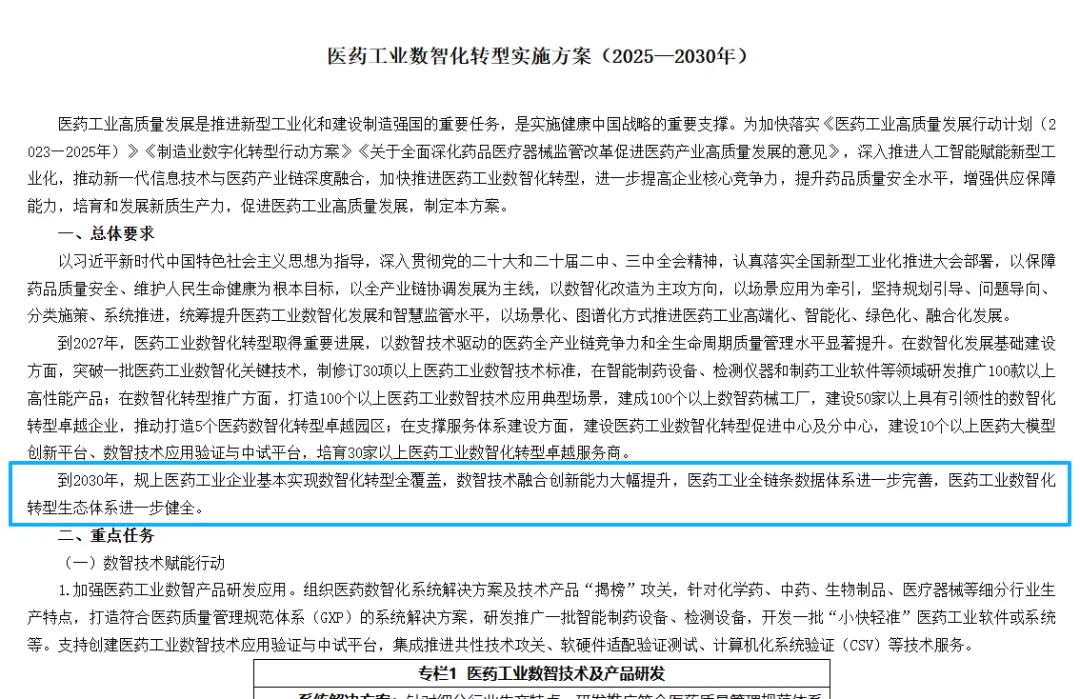
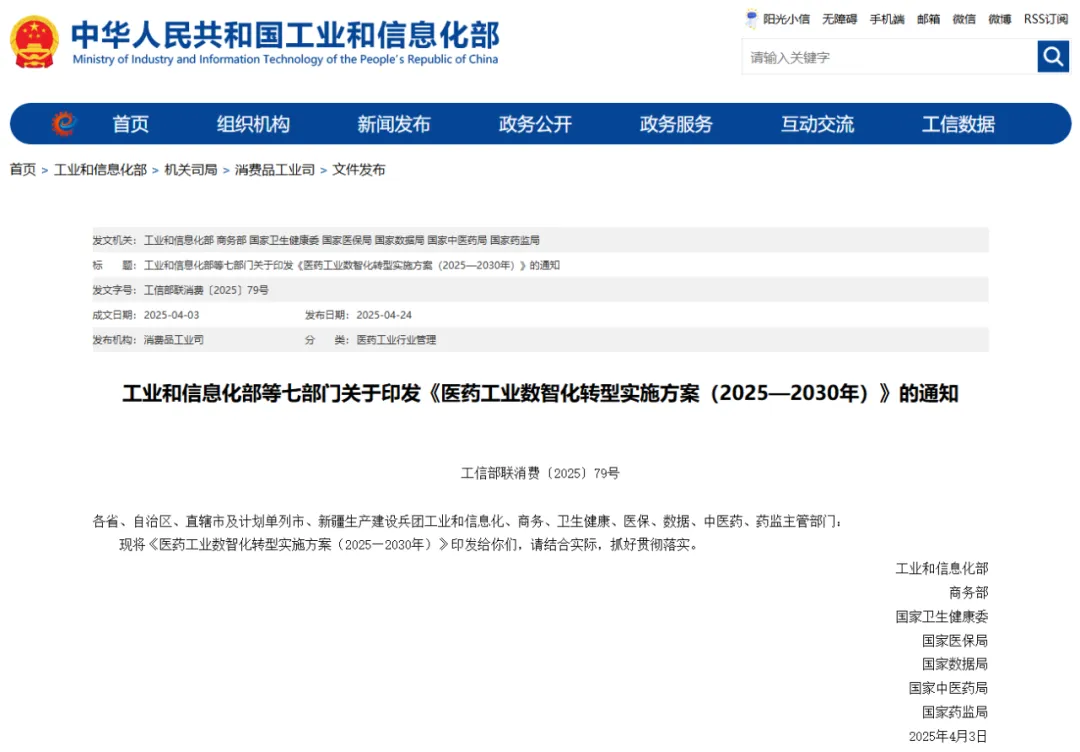
In April 2025, China’s Ministry of Industry and Information Technology and six other departments jointly issued the Implementation Plan for Digital and Intelligent Transformation of the Pharmaceutical Industry (2025–2030). The ‘General Requirements’ section sets out two core priorities. The first is a firm deadline (paragraph 2 of ‘General Requirements’): ‘By 2030, digital and intelligent transformation will essentially cover all pharmaceutical industrial enterprises above the designated size.’ The second is a firm quality standard (paragraph 1 of ‘General Requirements’): ‘The competitiveness of the entire pharmaceutical industry chain and the standard of full-lifecycle quality management, driven by digital and intelligent technologies, will be significantly improved,’ with compliance also required with pharmaceutical quality management standards (GXP). This marks a shift in digital and intelligent transformation from an ‘option’ to a ‘required course’ for pharmaceutical enterprises’ survival and development.
Addressing the policy’s three priority tasks, Weiming Penguin’s six products are precisely aligned to tackle pharmaceutical enterprises’ pain points in digital and intelligent transformation.
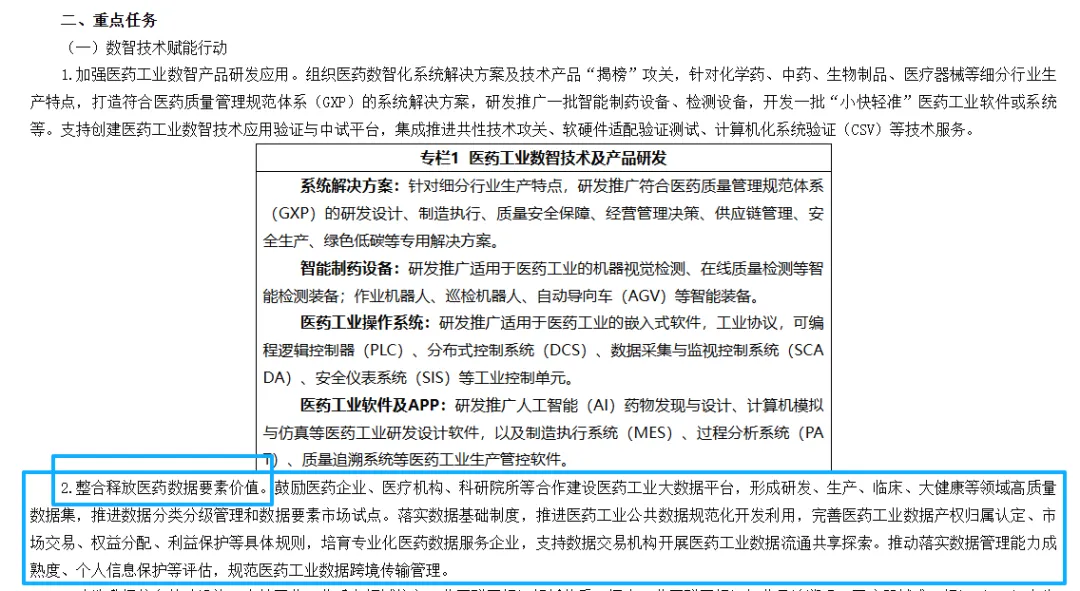
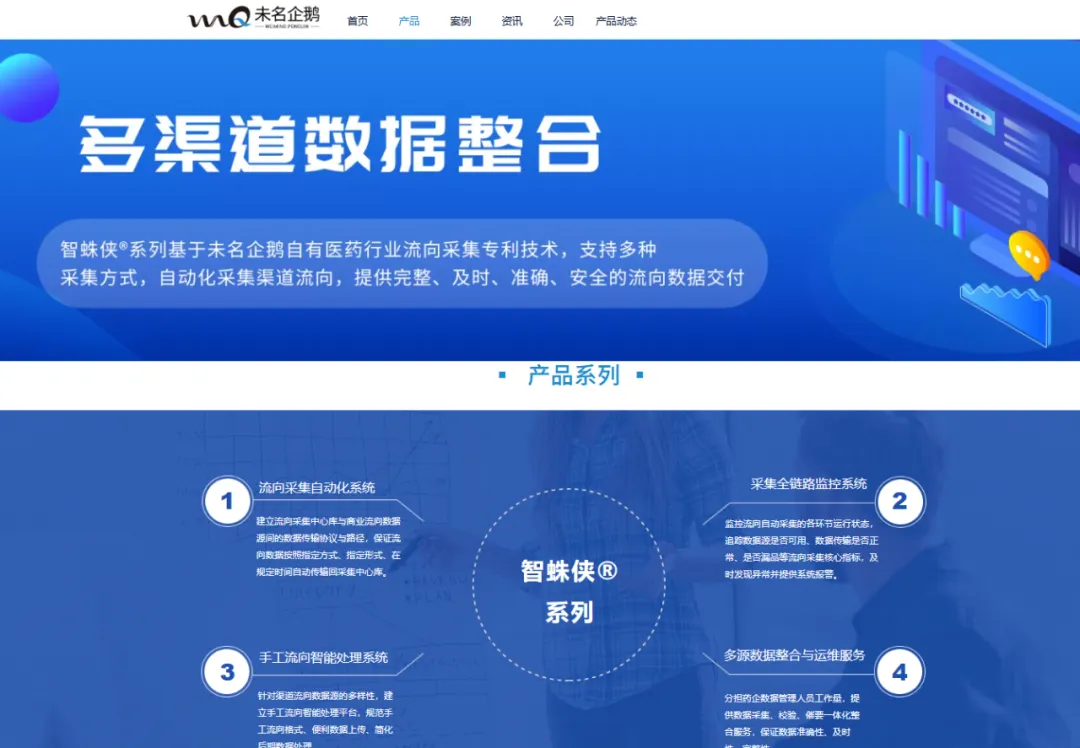
Aligned with item 2, ‘Integrate and unlock the value of pharmaceutical data as a factor of production,’ under ‘(I) Digital and Intelligent Technology Enablement Initiative,’ it uses automated distribution data collection and end-to-end monitoring to address inefficient data acquisition and insufficient accuracy, laying the groundwork for data circulation.
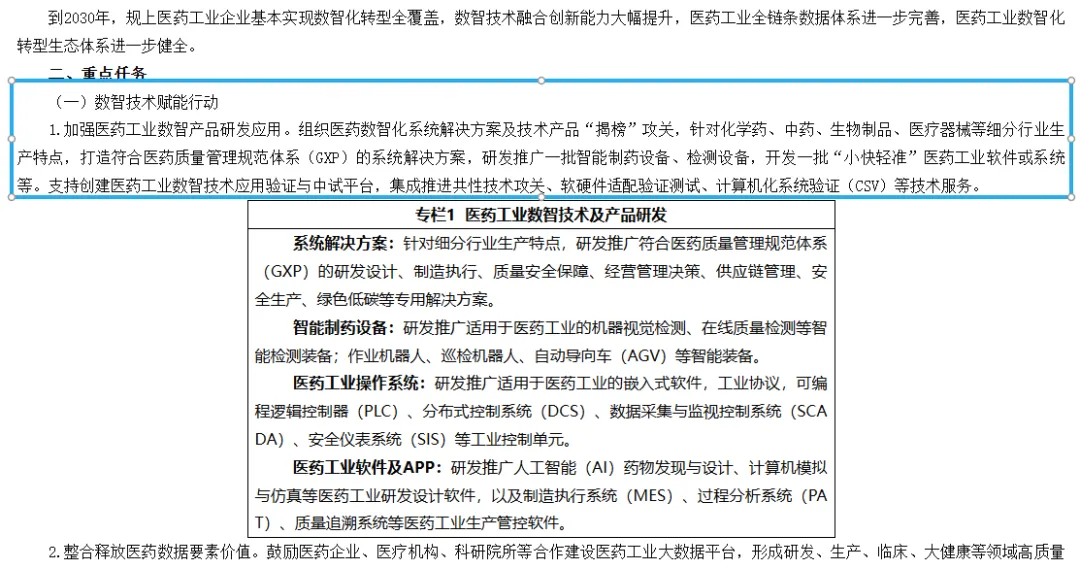
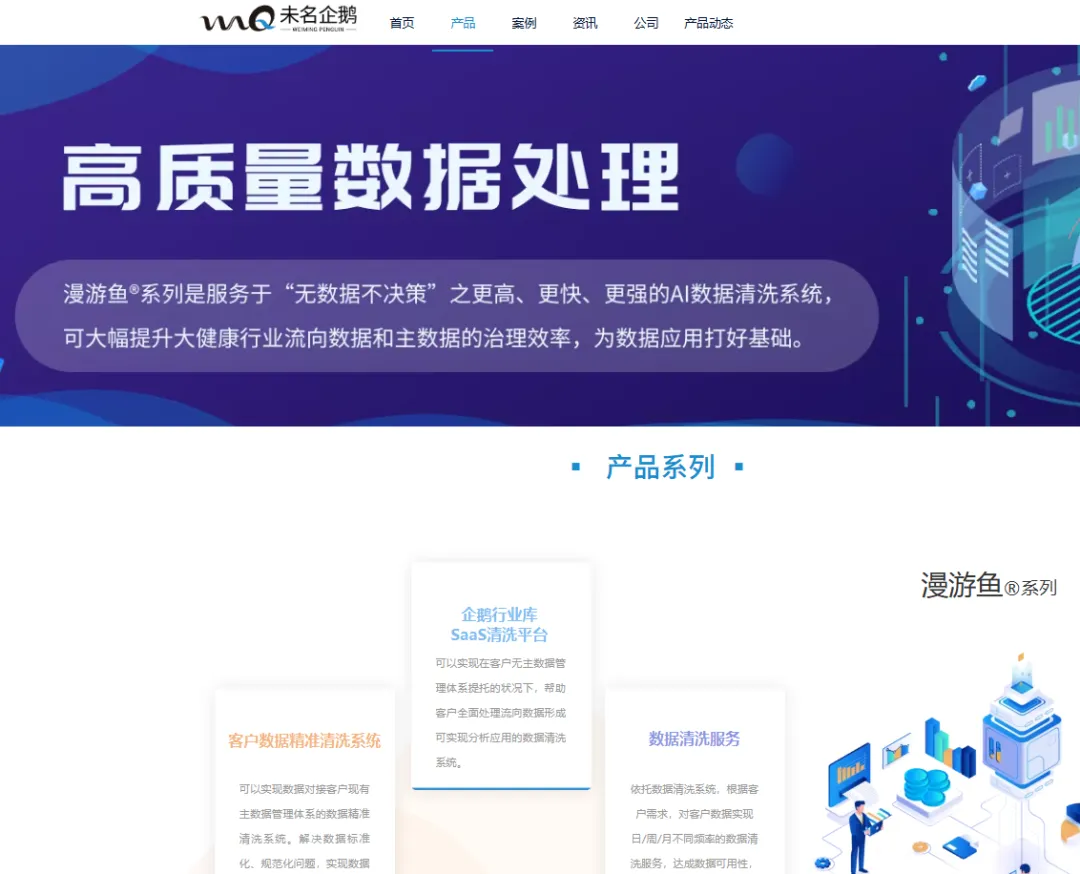
Aligned with item 1, ‘Strengthen the R&D and application of digital and intelligent products for the pharmaceutical industry,’ under ‘(I) Digital and Intelligent Technology Enablement Initiative,’ it uses patented technology to achieve an automated data matching rate of 99%+, standardize data cleansing, and support the development of a GXP-compliant data framework.
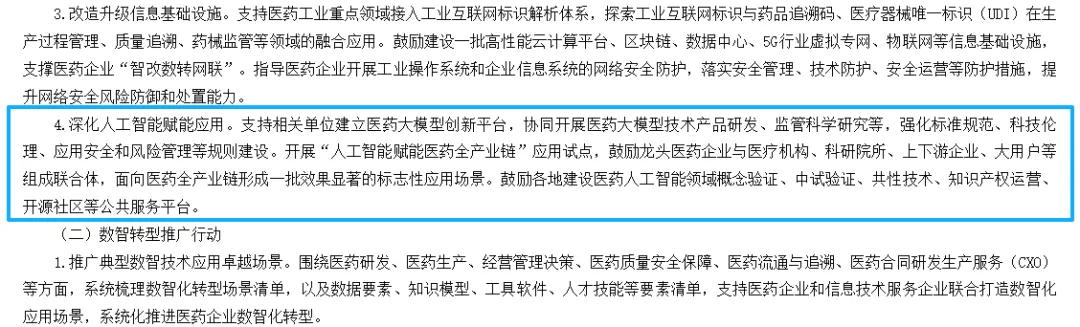
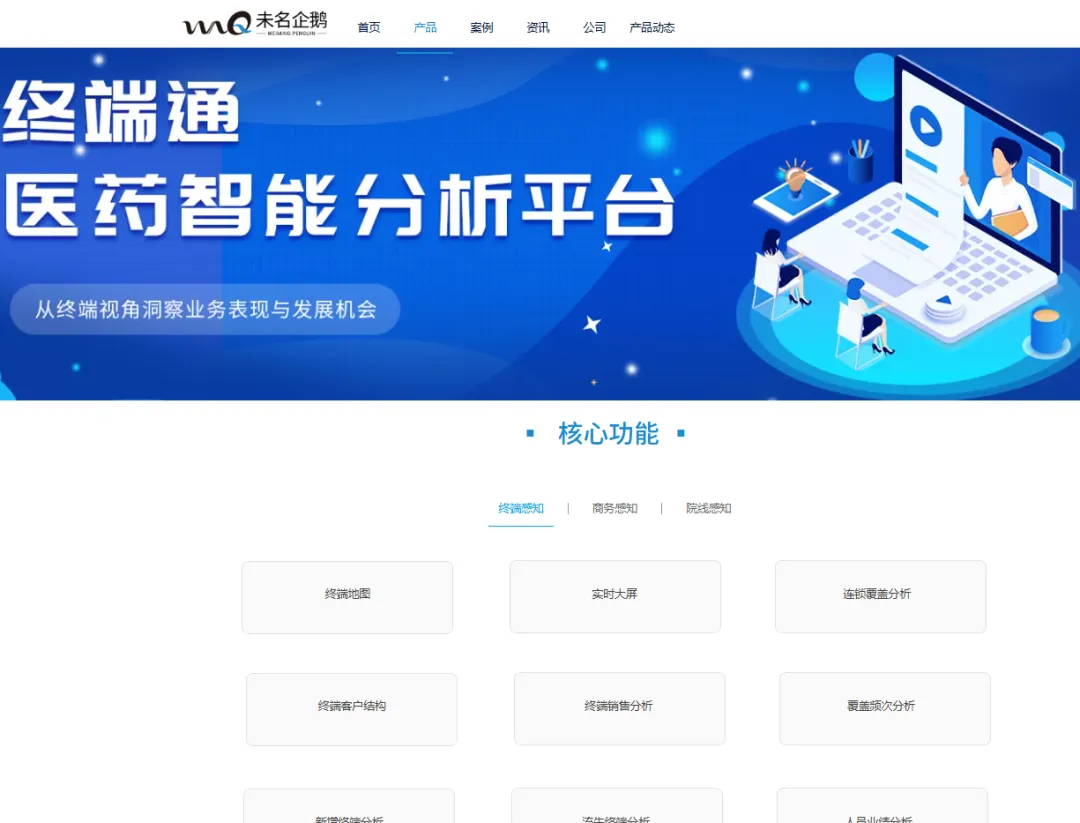
Responding to item 4, ‘Deepen AI-enabled applications,’ under ‘(I) Digital and Intelligent Technology Enablement Initiative,’ it introduces large language models (LLMs) to create outlet analytics and decision-support scenarios, helping bring digital and intelligent capabilities to ‘business management decision-making.’
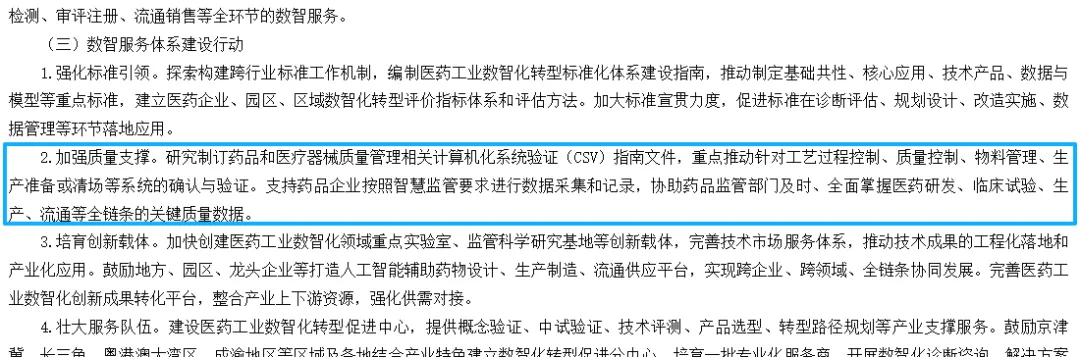
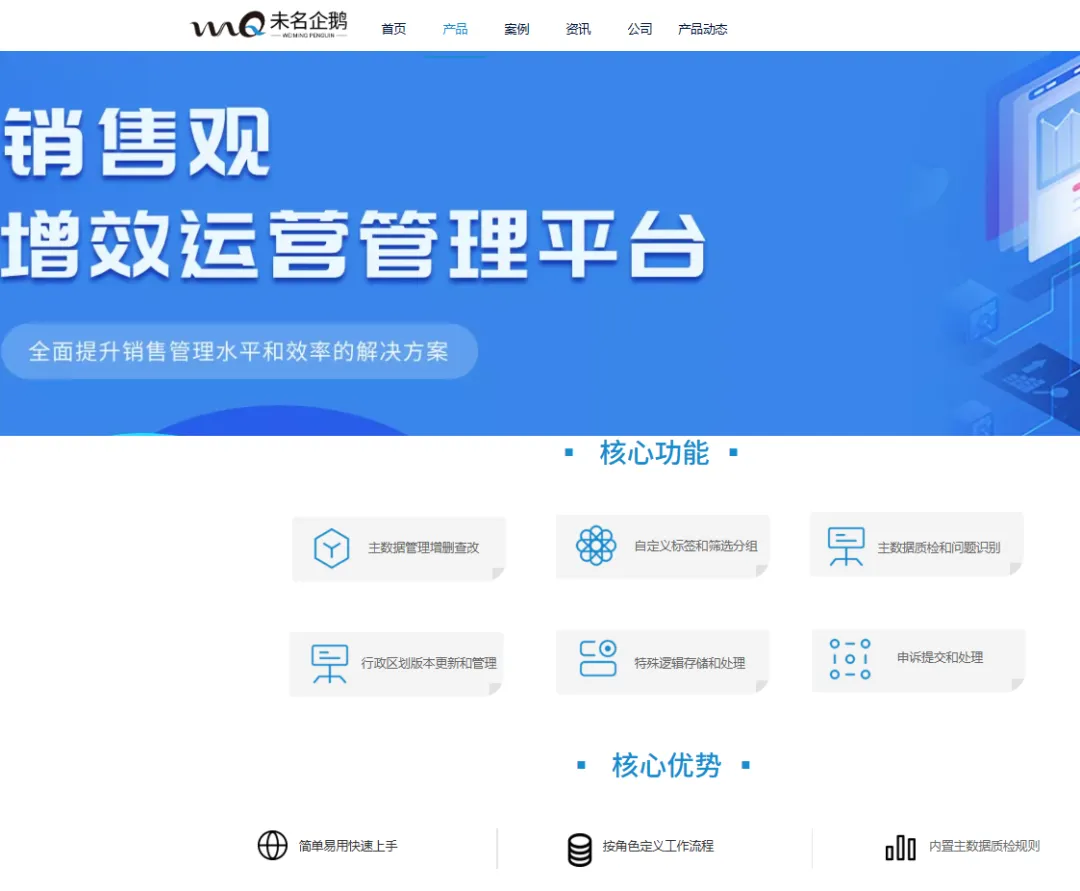
Aligned with item 2, ‘Strengthen quality support,’ under ‘(III) Digital and Intelligent Service System Development Initiative,’ it provides full-lifecycle master data management and quality inspection capabilities, meeting computerized system validation (CSV) standards.
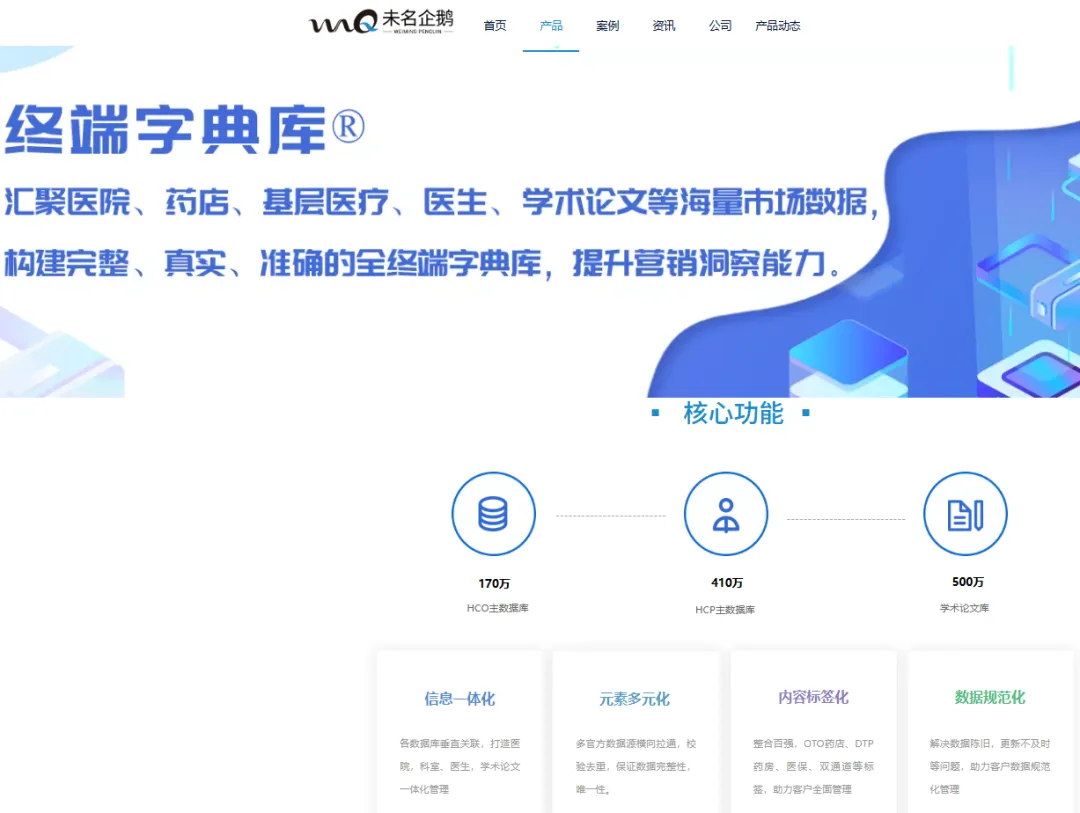
Outlet Reference DatabaseClosely aligned with the goal in paragraph 2 of ‘General Requirements’ that, by 2030, ‘the data system spanning the entire pharmaceutical industry chain will be further improved,’ it builds an actively maintained database of 1.7 million HCOs and 4.1 million HCPs, supplying core data for digital and intelligent transformation across the entire industry chain.
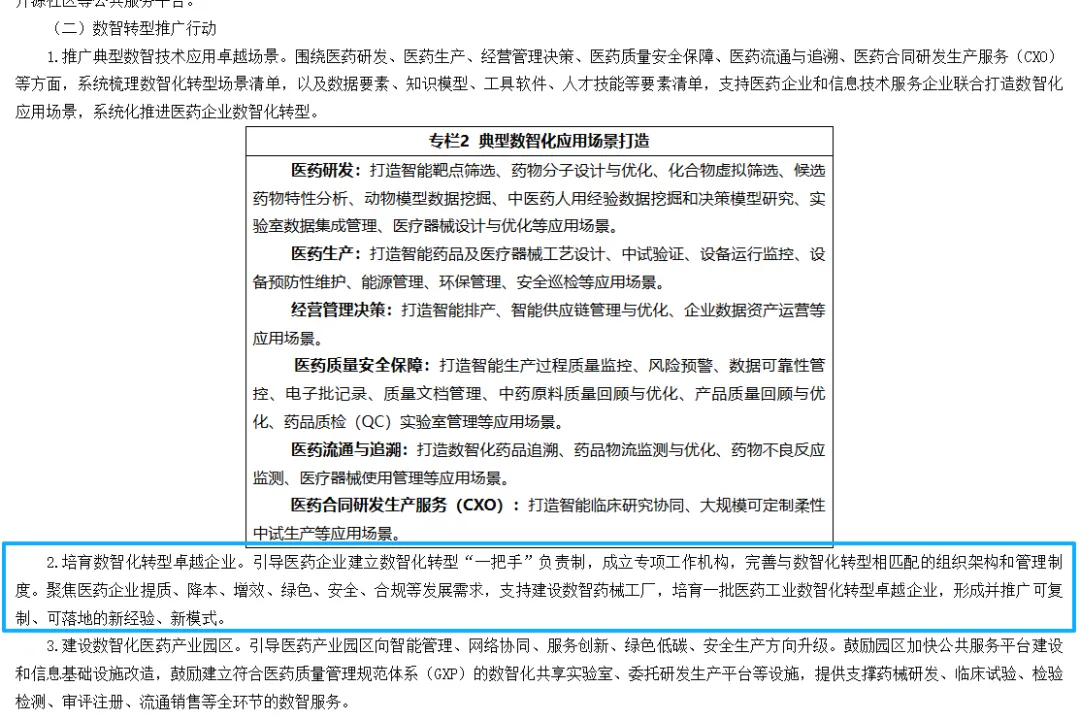
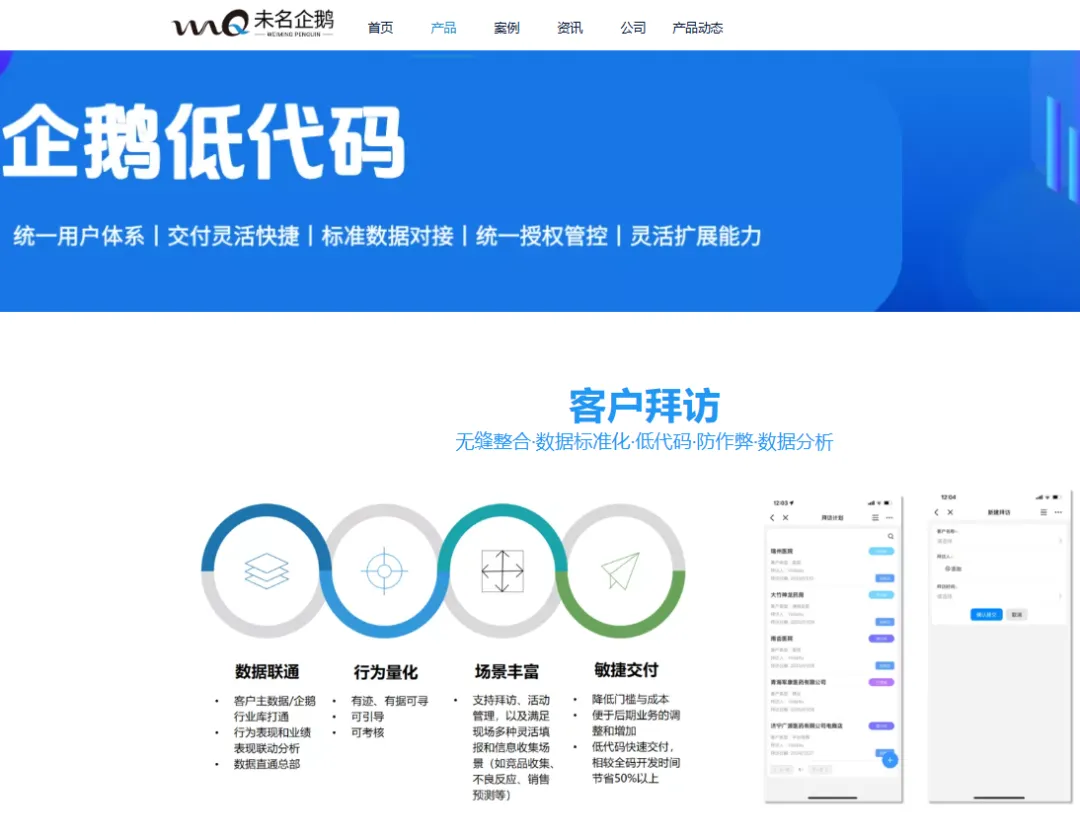
Echoing item 2, ‘Cultivate enterprises that excel in digital and intelligent transformation,’ under ‘(II) Digital and Intelligent Transformation Promotion Initiative,’ it uses agile development to save 50%+ in time and rapidly implement digital and intelligent factory solutions for pharmaceuticals and medical devices.
As a specialist in AI and big data technologies and solutions for the pharmaceutical industry, Weiming Penguin closely aligns with policy priorities and uses robust products to tackle pharmaceutical companies’ digital and intelligent transformation challenges. Stay tuned for more policy insights, technology and case studies, and Penguin news and culture.

Link to the original policy: Implementation Plan for Digital and Intelligent Transformation of the Pharmaceutical Industry (2025–2030), jointly issued by China’s Ministry of Industry and Information Technology and six other departments
https://wap.miit.gov.cn/jgsj/xfpgys/wjfb/art/2025/art_3077bb1835d54962a55ff61b6addf4fa.html