Weiming Penguin Monday Data Coffee | Hubei, Liaoning, and Jiangxi Take Half the Outpatient Pooled-Fund Coverage Pie
Article images may contain Chinese text.
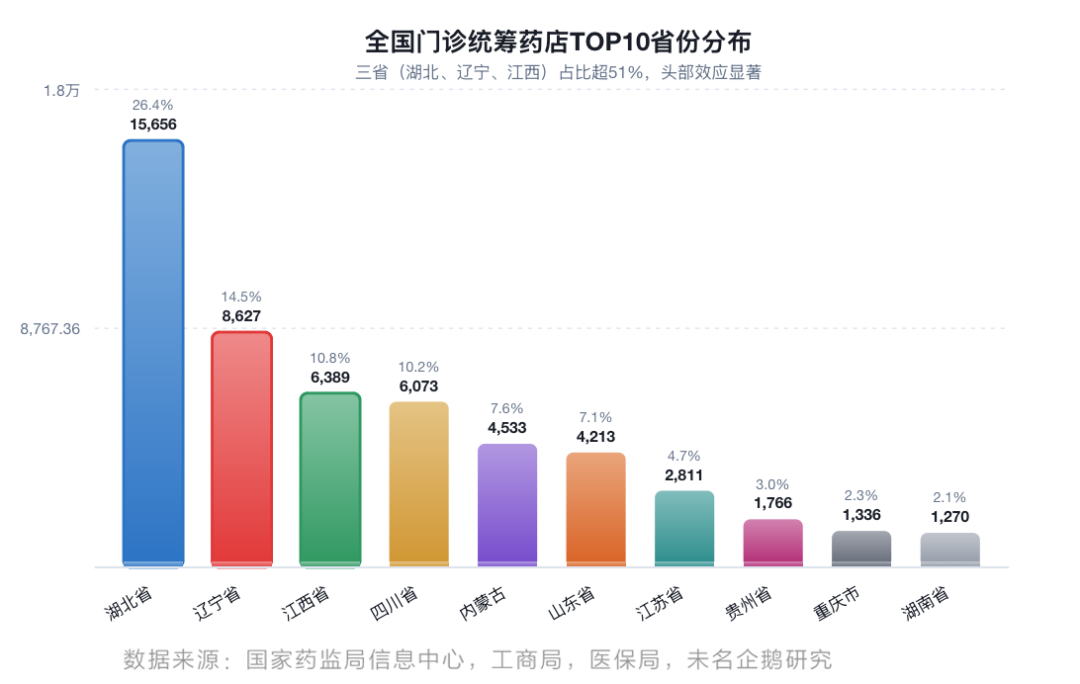
Nationwide, 59,340 pharmacies participate in outpatient pooled-fund coverage. Hubei alone has 15,656; Zhejiang has 1. The same policy term tells two different stories in different provinces.

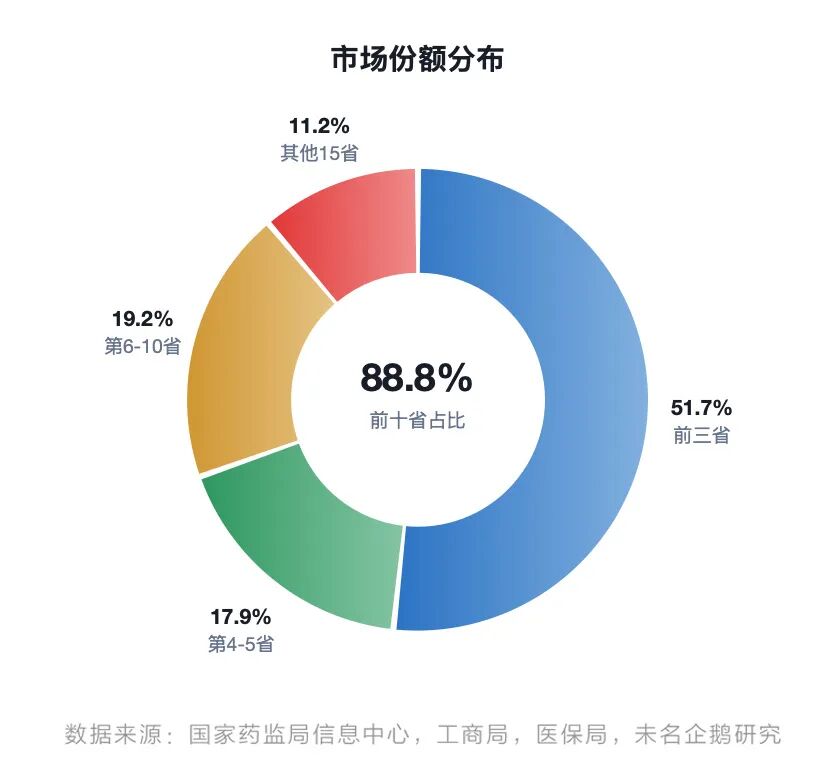
Three Sets of Percentages:
Three provinces account for 51.7%. Hubei + Liaoning + Jiangxi: more than half.
The top five account for 69.6%. Nearly 70%.
The top ten account for 88.8%, leaving less than 12% for the remaining 15 provinces. The median across 25 provinces is 817 pharmacies. More than half of the provinces have fewer than a thousand.
One word: early.
Hubei was the first province in China to extend outpatient pooled-fund coverage from hospitals to pharmacies. Once the policy window opened, the speed of pharmacy onboarding depended on provincial medical insurance authorities' implementation efforts and pressure on the insurance fund. Hubei had both factors aligned.
But for pharmaceutical companies, the key is not “why Hubei has so many”—it is that competitors are already there. In these three provinces, the question has long ceased to be “whether to participate.” It is how many pharmacies you have reached and whether your coverage is dense enough.
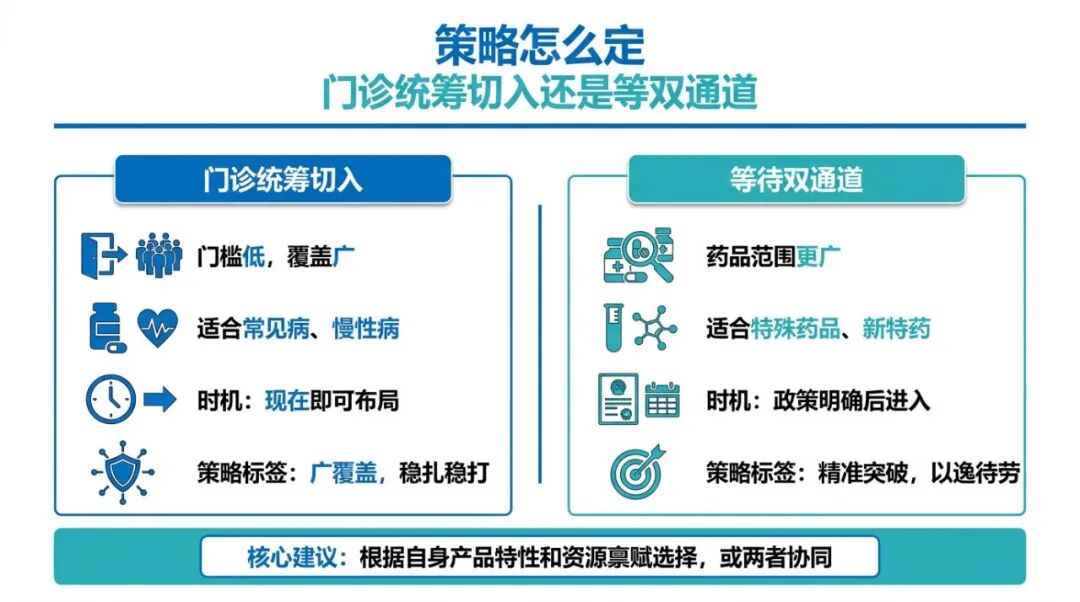
The window is still open in later-moving provinces—you can currently choose whether to enter through outpatient pooled-fund coverage or wait for the dual-channel pathway. But that choice will not remain available forever.
“Zhejiang has only 1 pilot pharmacy for outpatient pooled-fund coverage; the dual-channel pathway predominates in the province.”
Outpatient pooled-fund coverage and the dual-channel pathway differ in pharmacy eligibility, prescription sources, and reimbursement rates. Zhejiang chose the dual-channel pathway. Trying to build channels there using the outpatient pooled-fund approach is wasted effort.
Guangdong has 182 pharmacies, Henan 152, and Yunnan 122—these traditionally major provinces all have few pharmacies participating in outpatient pooled-fund coverage. Their policy priorities lie elsewhere.
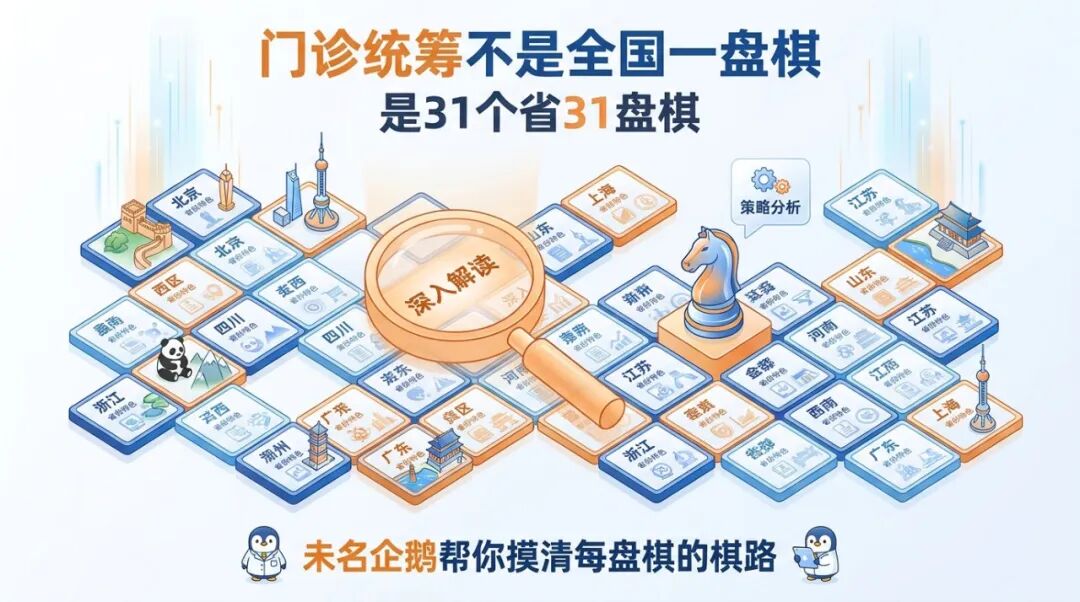
To put it bluntly: many pharmaceutical companies are accustomed to taking a nationwide pharmacy list and assigning targets when developing channel strategies. Outpatient pooled-fund coverage does not work that way. Unless you determine the actual pathway at the provincial level, the resources you deploy will have little impact.
Of Anhui's 553 pharmacies participating in outpatient pooled-fund coverage, chains account for 75.7% and independents 24.3%. This is not unique to Anhui—the entry requirements for outpatient pooled-fund coverage, including systems, prescription integration, and compliance, inherently favor chains over independents.
Pharmaceutical Companies Must Address Two Things:
Chain headquarters have growing bargaining power. The route to market has changed: you need to negotiate directly with chain headquarters. It is no longer optional.
The logic of driving sell-through is entirely different from traditional OTC. Prescriptions originate in hospitals, while purchases take place in pharmacies. Whether prescriptions can be transferred and whether patients complete their medication purchases with you require new sell-through strategies. Relying on store staff recommendations no longer works.
Channel Audit: Pull your outpatient pooled-fund coverage figures for Hubei, Liaoning, and Jiangxi. Address coverage below 30% this week. Do not wait until competitors have covered the market before entering. Policy Check: If you have deployed resources in Zhejiang, Guangdong, or Henan, first clarify outpatient pooled-fund coverage vs. the dual-channel pathway. If the route is wrong, greater coverage only means greater losses. Chain Review: Check the partnership status of the top 3 chains in each of the top ten provinces: have you only signed a framework agreement, or is there already transaction-flow data?

&
Phone:13717915751 Email:contact@tenez.cn
About the Series
“Monday Data Coffee” is produced by Weiming Penguin. Every Monday at 7 a.m., a cup of “data coffee” is ready when you open WeChat. With 52 editions a year, this light, frequent briefing lets you keep your finger on the industry's pulse during your commute.
Core value: One cup a week to refresh your mind, using high-value data to spark deeper thinking about the industry.
Sources: Information Center of China's National Medical Products Administration; administration for industry and commerce; healthcare security administration; Weiming Penguin Retail Outlet Dictionary. Corrections to any errors or omissions are welcome!
Disclaimer: This article is intended solely to share pharmaceutical information and does not constitute investment advice or recommendations for decision-making.