Article images may contain Chinese text.
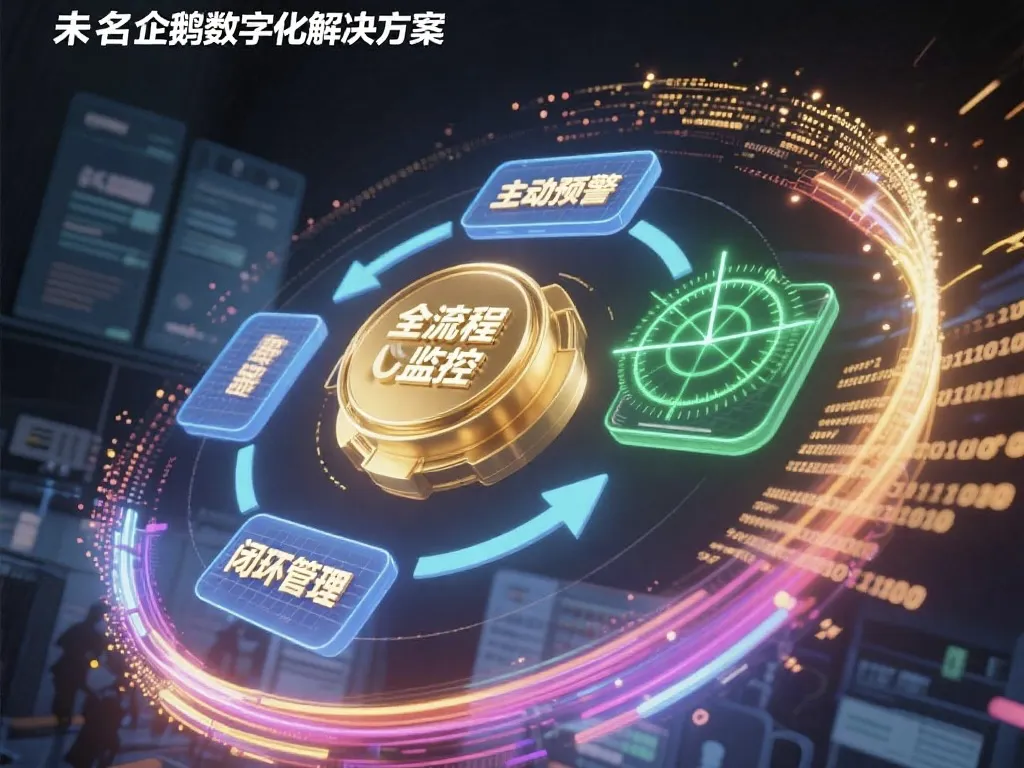
Recurring gaps in 400,000–60 core pharmaceutical distribution records each month, delayed data from 30% of distributors, and 15% of key traceability fields missing—are problems addressed only after the fact? When a pharmaceutical company relies on this data to measure sales attainment, calculate rebates, and support regulatory traceability, a reactive approach not only causes losses but also slows business operations. This article explains how Weiming Penguin built an end-to-end monitoring, proactive alerting, and closed-loop management system for a midsize pharmaceutical company, achieving significant improvements in both data quality and issue resolution efficiency within 5 months and offering a reusable digital solution for similar companies.
Company Background and Data Quality Pain PointsA midsize pharmaceutical manufacturer works with more than 300 primary distributors and collects 400,000–600,000 pharmaceutical distribution records per month. Covering 20 key fields, including downstream customers, product specifications, and pharmaceutical batch numbers, these records form the core basis for measuring sales attainment, evaluating performance, calculating rebates, and supporting regulatory traceability. Yet data quality problems kept emerging: data from 30% of distributors was delayed by 3–5 days; 15% of key traceability fields were missing; the monthly data duplication rate was 3%; 5% of data submitted through the dispute process was omitted; and 12% of customers had discrepancies in their purchase, sales, and inventory balances. More importantly, these problems surfaced only after the fact. By the time they were discovered, the losses were already irreversible.
Core Issues: Common Challenges in Pharmaceutical Channel Data ManagementThese problems are not isolated. Similar pain points exist to varying degrees across many pharmaceutical companies’ use of channel data. A closer look at the root causes behind the losses reveals three main areas:
1. Fragmented monitoring that treats symptoms in isolation: When client heartbeats become unstable, attention focuses on fixing client issues. When data arrives late, attention shifts to data arrival rates. Next come missing products and quantities in the data; ..... The cycle repeats. Filling gaps as they appear is not necessarily wrong, but it cannot resolve data problems holistically.
2. Reactive issue discovery, with no proactive alerts: Only when the dispute period begins does the team discover that some distributors’ pharmaceutical distribution data has not arrived. Only when settling rebates does it discover errors in calculating business-line assignments. Only when calculating bonuses does it find missing products and quantities in data from the distributors under its responsibility; ...... Why can’t these problems be identified and resolved promptly during the pharmaceutical distribution data collection process?
3. No closed-loop issue resolution system, so issues disappear from view during follow-up: People do not know whom to contact to report an issue. Once an issue is raised, there is no tracking mechanism, no assessment of resolution speed, and similar problems keep recurring. How should issue resolution actually be followed up? When will the organization learn from its mistakes and improve?
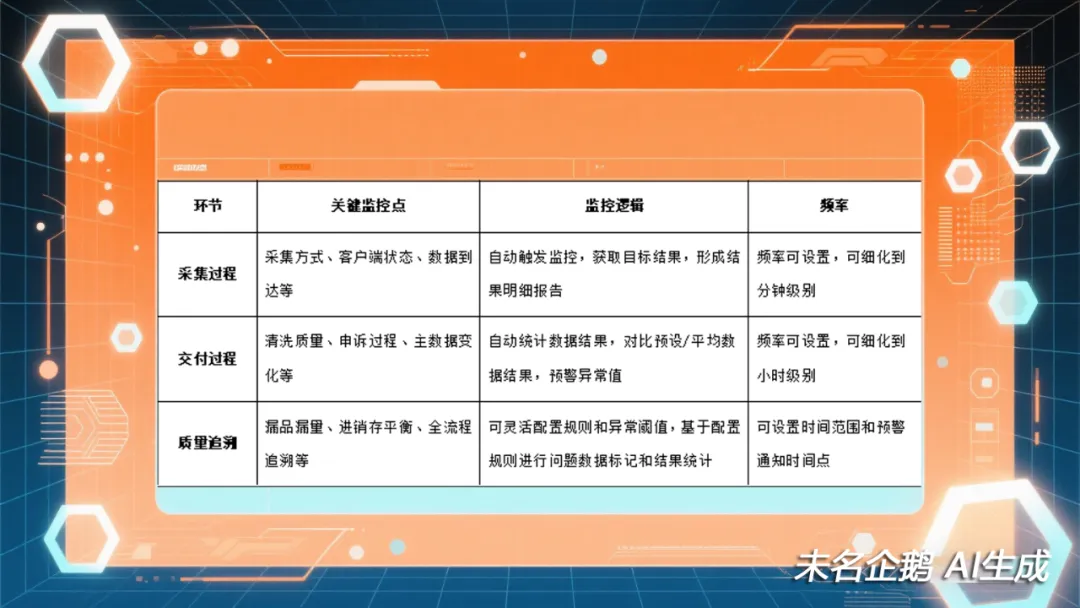
A Better Solution: From “Reactive Remediation” to “Proactive Protection”1. Building an End-to-End Monitoring System
Covering the three major stages of pharmaceutical distribution data delivery, with 20+ monitoring and alert checkpoints:
2. A Transparent Monitoring System + Proactive Alert Push Notifications
The transparent monitoring system monitors the checkpoints it covers and sends alert notifications. It also supports integration with mobile office automation tools such as WeCom, DingTalk, and Feishu, pushing messages directly to mobile phones. High-risk issues can also trigger phone call alerts.
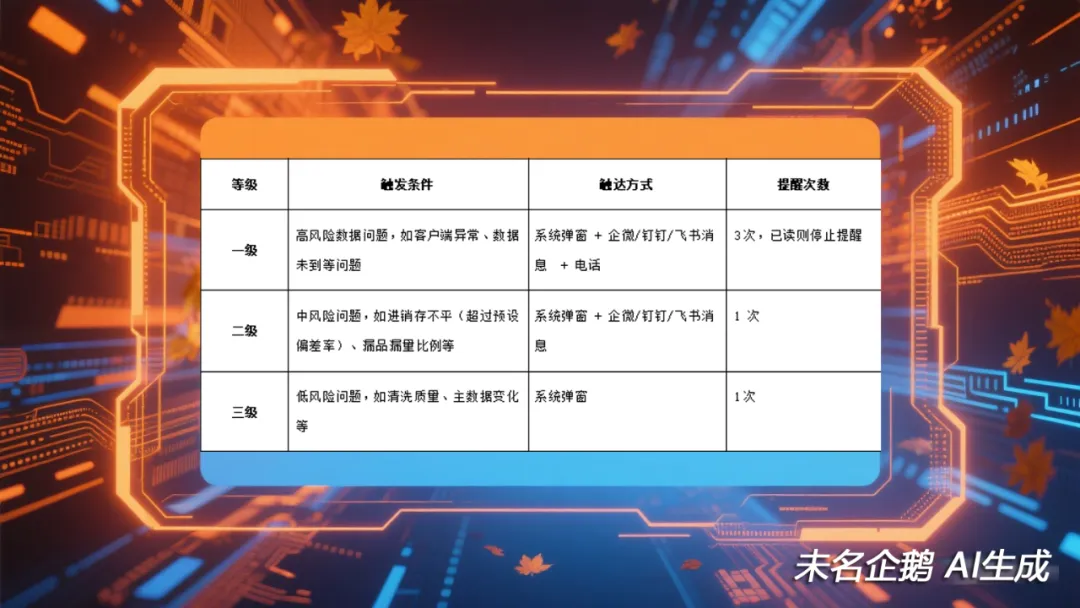
3. A Service Ticketing System with End-to-End Issue Tracking
Throughout the service process, the ticketing system tracks and records every step: the issue description, the person raising it, the person responsible, issue status, resolution progress, and follow-up resolution mechanisms. Everything is visible, with an audit trail of actions that meets pharmaceutical companies’ compliance management requirements. Regular review reports are also generated, adding monitoring checkpoints and refining alerting and monitoring rules for similar issues to continuously improve data quality.
In addition, AI can support the system and the entire service process by automatically summarizing common issues in operations and maintenance records and scanning pharmaceutical distribution data for potential risks based on those issues. Services such as a team operations and maintenance knowledge base and AI-powered training and assessments further improve the overall speed and quality of issue resolution.
Implementation Results: Empowering Business with Data to Support Sales GrowthAfter 5 months of system operation and service, the customer’s data quality continued to improve and issues were resolved increasingly quickly: the proportion of distributors with delayed data fell below 5%, the rate of missing key fields dropped to 3%, the proportion of omitted dispute-process data declined to 1%, and the issue resolution cycle shortened from 5 days to 2 days.
As data quality continued to improve, business departments placed increasing trust in the data and realized more of its value. Beyond month-end rebate execution and bonus calculations, applications such as tracking performance progress with daily data, identifying market potential, and issuing alerts for anomalies and risks were used more and more frequently by business teams. Data truly became a powerful tool for enabling business and supporting sales growth.
As a technology and solutions specialist focused on AI-powered digital transformation for pharmaceutical companies, Weiming Penguin consistently addresses data management pain points in the pharmaceutical industry. With technology-driven innovation and deep industry expertise at its core, it provides an integrated data quality control solution spanning end-to-end monitoring, proactive alerts, and closed-loop management. It also continuously optimizes system capabilities with AI, helping companies achieve their digital goals of keeping data under control, preventing risks, and advancing business.
If your company also faces challenges in channel data quality or digital transformation, visit the Weiming Penguin website (www.tenez.cn) to learn more about our solutions, or follow our official WeChat account (wmpenguin) for the latest industry insights. For partnership inquiries, call our dedicated service hotline at 137-1791-5751 (staffed on business days from 9:00–18:00). We will provide one-on-one professional support as we explore effective paths to AI-powered digital transformation for pharmaceutical companies together.