Penguin Case Study | Pharmaceutical Transformation: A Breakthrough from Experience-Driven to Data-Empowered Sales Forecasting
Article images may contain Chinese text.
Project Background: Multiple Bottlenecks in Traditional Forecasting
A well-known pharmaceutical company in China had long faced the following sales forecasting challenges:
· Low forecast accuracy: Forecasts relied on staff manually entering figures based on experience. Error rates for retail outlet sell-through and distributor shipment forecasts exceeded 25%, disconnecting production schedules from market demand and resulting in both peak-season stockouts and off-season inventory accumulation.
· Inefficient data coordination: Data on production, inventory, sales, and marketing activities were scattered across departments without integration or linkage, making it impossible to provide real-time support for forecasting and delaying responses to market competition.
· Missing management processes: The forecasting process lacked standardized rules, responsibilities at each stage were unclear, and cross-departmental communication was costly. Disagreements over forecasts frequently caused coordination conflicts at monthly sales meetings.
Solution: Implementing Weiming Penguin's Intelligent Forecasting Framework
The pharmaceutical company introduced Weiming Penguin's sales forecasting solution, rebuilding its forecasting framework around “data integration + intelligent algorithms + a closed-loop process”:
I. Data Infrastructure: Building a Comprehensive Data Foundation
The solution integrates data across multiple dimensions, including distributor pharmaceutical distribution data, retail outlet sell-through, real-time inventory, and factory shipments, along with market information such as promotional policies and competitor developments. It then cleanses and models the data by region, product specification, and channel.
II. Forecasting Models: Improving Accuracy Through Human–Machine Collaboration
1. Intelligent Sell-Through Forecasting
· Intelligent forecasting: The system uses machine learning algorithms to generate store sales forecasts based on historical retail outlet purchase data;
· Dynamic factors: It incorporates nonquantified parameters, such as the company's own promotional activities and competitors' strategies, to capture subtle market changes.
2. Logic-Based Shipment Forecasting
· Inventory management model: It calculates appropriate purchase volumes using distributor safety stock control logic;
· Linked adjustments across multiple dimensions: It combines data on distributor targets, downstream distribution, safety stock, and other factors to define purchase ranges and automatically links them to factory production schedules.

III. Process Optimization: Driving Greater Efficiency Through Standardization
· Human–machine collaboration: Relevant personnel confirm forecast data at each organizational level, and the system's approval workflow generates consolidated results;
· Intelligent alerts: The system automatically sends alerts about inventory anomalies, risks to target attainment, forecast deviations beyond set thresholds, and other issues, enabling “real-time notification of data issues and early intervention in business risks.”
Implementation Results: Significant Improvements in Core Metrics
I. A Leap in Forecast Accuracy
· The error rate for retail outlet sell-through forecasts fell from 25% to below 10%. The alignment between distributor shipment plans and actual demand improved by 30%, and the efficiency of production schedule adjustments increased by 50%.
II. Improved Inventory and Turnover Efficiency
· Overall inventory turnover increased by 22%, while the time needed to clear slow-moving pharmaceutical inventory fell by an average of 50% (from 180 days to 90 days for one product);
III. Greater Management Effectiveness
· The forecasting cycle was shortened from 7 days to 1 day, cross-departmental collaboration efficiency improved by 40%, and the business team shifted from “reliance on experience” to “data empowerment.”
Project Value: The Shift from “Reactive Responses” to “Proactive Forecasting”
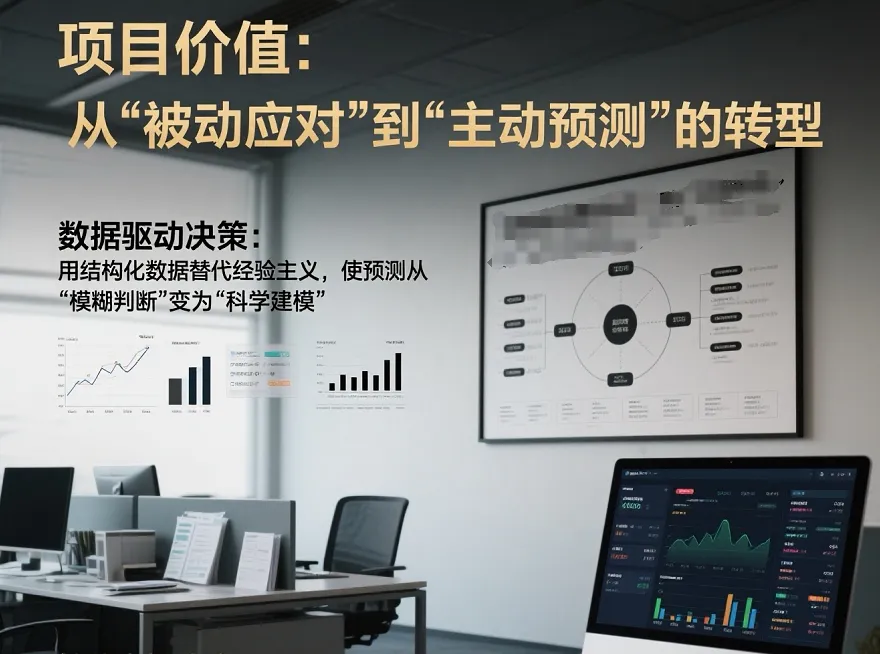
· Data-driven decisions: Replacing reliance on experience with structured data transforms forecasting from “vague judgments” into “scientific modeling”;
· Linear linkage across the entire chain: The closed-loop logic of “retail outlet demand → distributor inventory → factory production” enables “customer demand to drive the supply chain directly”;
· Agile market responses: Real-time data and intelligent alerts help the company adjust its strategies quickly in response to competitive pressure and unexpected events, turning risks into growth opportunities.
Lessons Learned: Key Steps in Upgrading a Pharmaceutical Company's Sales Forecasting Framework
1. Put data first: Prioritize breaking down internal data silos and building a “digital foundation” to support forecasting;
;

2. Combine human and machine strengths: Let algorithms handle data processing at scale while people focus on market insights and strategic calibration, avoiding an approach that treats data as the only consideration;

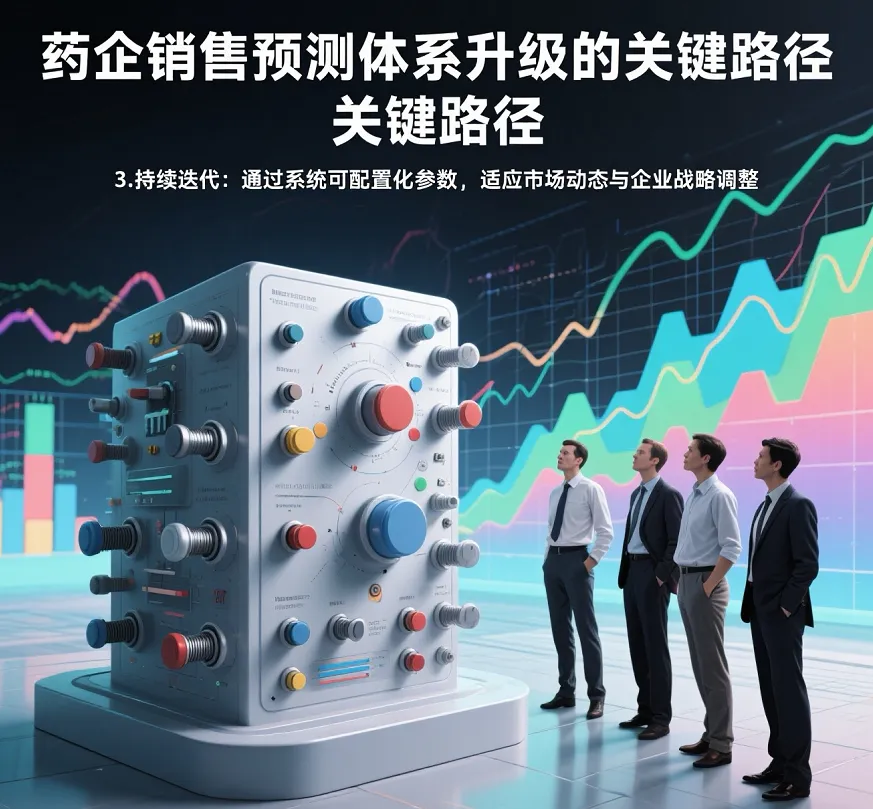
3. Iterate continuously: Use configurable system parameters to adapt to changing market conditions and adjustments to corporate strategy.