Penguin Case Study | Practical Tips! A Knowledge Base Optimization Guide to Boost AI Q&A Accuracy
Article images may contain Chinese text.
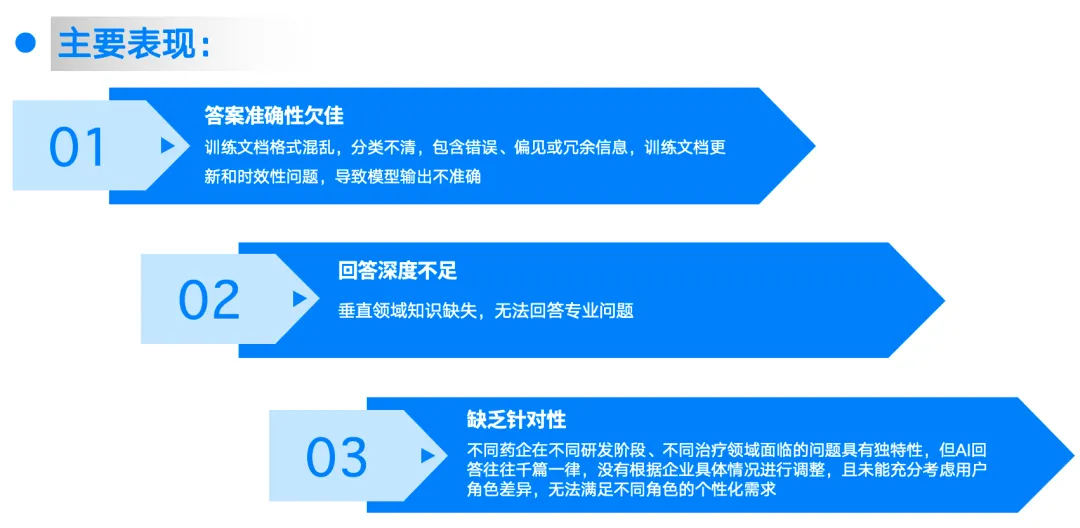
01 AI knowledge Q&A is currently one of the main applications of AI enablement at pharmaceutical companies, providing intelligent answers in specialist areas such as drug R&D, regulatory consultation, clinical trials, and business enablement. However, a major challenge commonly encountered when building AI knowledge Q&A systems is unsatisfactory output.
These issues directly lead to low user adoption after a Q&A platform is built. Ultimately, platforms can fall into disuse despite substantial investment in staff and resources. Not only can this undermine employees’ confidence in using them, but misuse of the results may even affect R&D efficiency and decision quality. Through years of developing and delivering AI projects for pharmaceutical companies, Penguin has found that knowledge base management and format optimization are among the important factors affecting Q&A results. Today, we will discuss how to optimize a knowledge base to improve AI Q&A results.
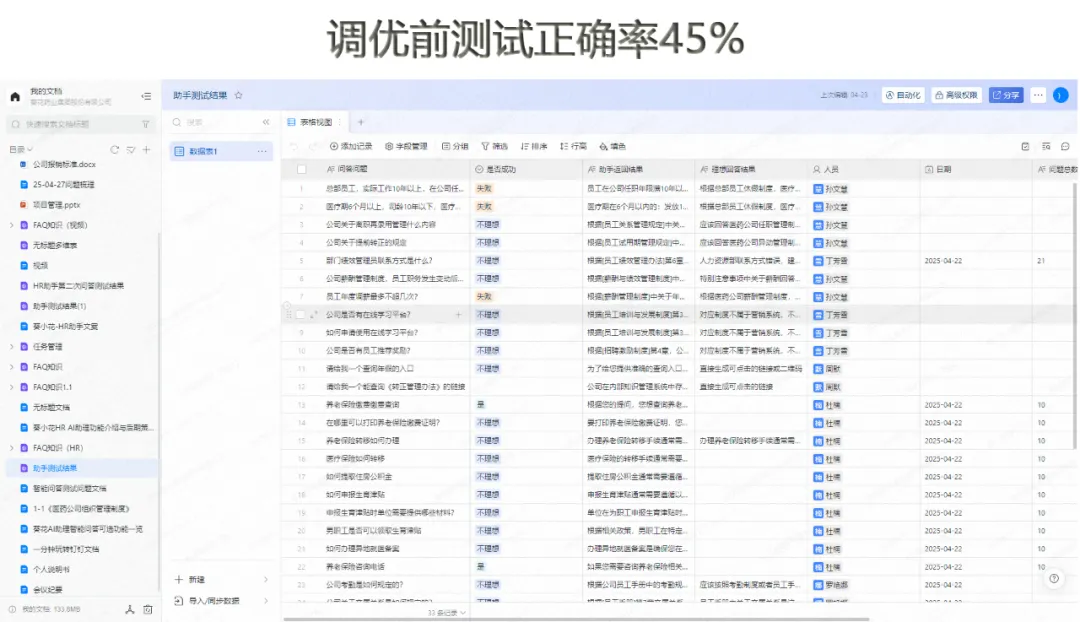
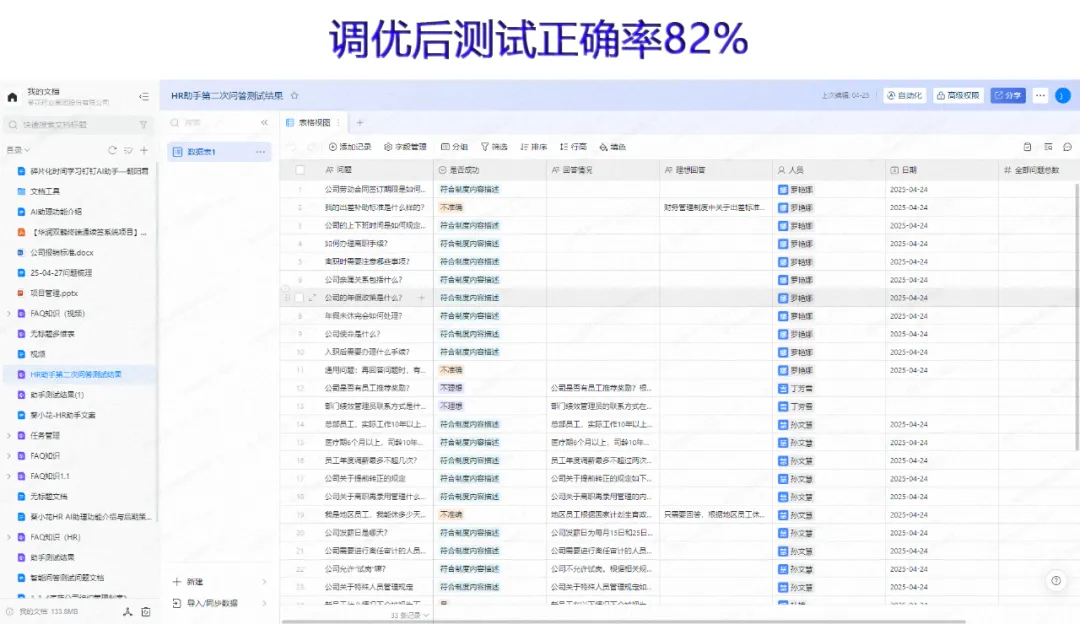
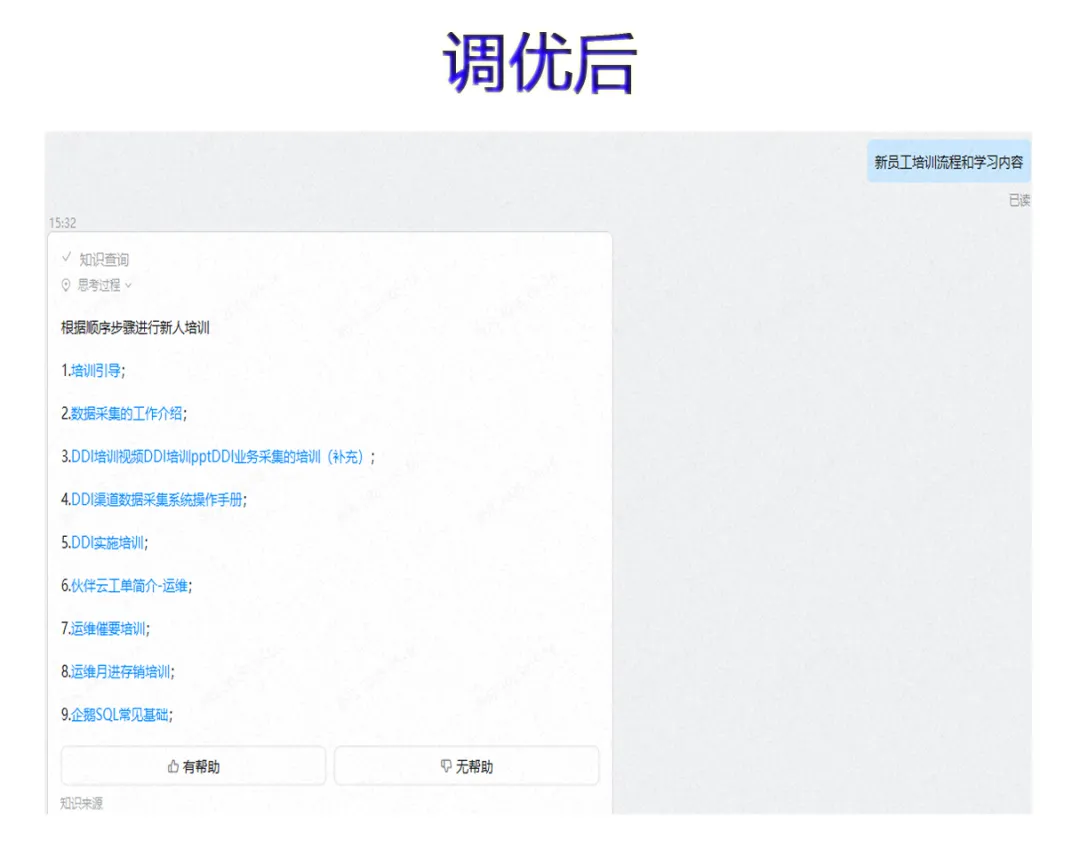
02 Let us look at a real-world AI knowledge Q&A optimization case from a Chinese-owned pharmaceutical company. Before optimization, whenever the assistant could not recognize the knowledge base, it would directly trigger a fallback response or have the large model search the web on its own to generate an answer. This was highly inconsistent and resulted in a poor user experience. Penguin’s AI engineers began with broad-level document optimization, making adjustments to the documents. They then maintained, expanded, and supplemented the FAQ documents, refining document quality at a more granular level until the assistant fully met the customer’s expectations.
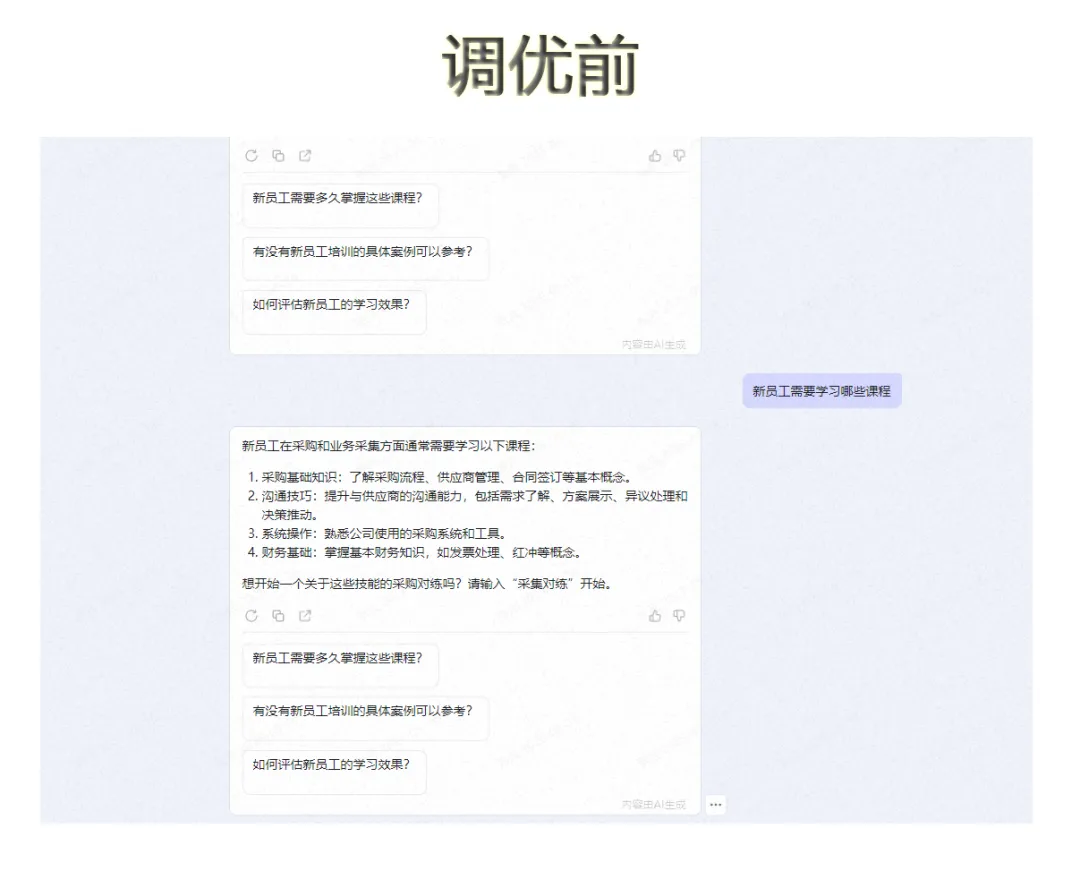
Comparison of sample answers: Before document optimization, when asked, “What courses do new employees need to take?”, the assistant did not base its answer on the knowledge base content. Creating an FAQ document standardized the assistant’s knowledge, enabling it to answer the question. After the FAQ was maintained, the assistant’s answers also supported clickable navigation to the relevant content.
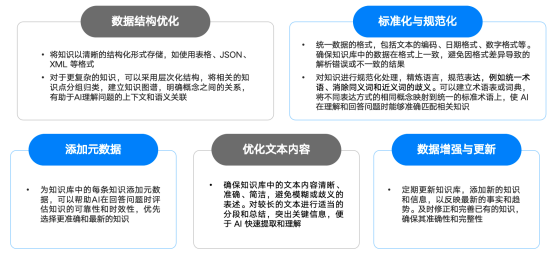
03 Key takeaway!!! Five essential factors for organizing a knowledge base: Carefully organizing and optimizing a pharmaceutical company’s knowledge base significantly improves the accuracy and efficiency of Q&A output, with particularly notable results in key scenarios such as compliance reviews, R&D, and collaborative business workflows. In the future, AI technologies could be integrated further—for example, automated compliance-checking systems that monitor regulatory changes in real time and update the knowledge base. Intelligent Q&A bots could provide accurate answers 7×24 hours, proactively identify business needs, and deliver related knowledge, helping knowledge bases evolve from “passive queries” to “proactive services” and comprehensively empowering pharmaceutical companies’ digital operations.Listen up!! Here is the key point!! Without a knowledge base—or without a high-quality, usable knowledge base—all that AI is just hot air.